Work / Walindi Point
From a handful of direct bookings to fully booked weekends
Island resort · Uganda · Direct bookings, expat and local leisure market
direct bookings
Website conversion rate above 5%
10+ enquiries a week
Four straight months of sold-out weekends
In short
What did Spark Ink do for Walindi Point?
Spark Ink built the direct booking journey for Walindi Point, an island resort in Uganda whose bookings were arriving mostly through word of mouth, referral and the travel platforms rather than its own website. We ran conversion rate optimisation on the existing Webflow site, added the resort’s first gallery and experiences page, expanded its Google Business Profile around expat search behaviour, and ran Meta and Google campaigns. After concentrating spend on the channel that converted best, direct bookings rose over 247%, website conversion passed 5%, and the resort held sold-out weekends for four consecutive months, including local low season.
The challenge
Real demand, and a website that had not yet been built to take the booking
Walindi Point had the product and the location. Guests who found it loved it, and bookings were already coming in through word of mouth, referral and the travel platforms.
What the resort did not yet have was a direct booking path of its own. The website was a clean Webflow build set up to present the property rather than to take a reservation. There was no gallery yet, no page showing what a stay actually feels like, and no single obvious next step for a visitor who was ready to book.
The audience was there and already searching. Expats living in Uganda looking for staycations, quiet places to work remotely and somewhere genuinely restful, plus middle-class and above Ugandan travellers. The opportunity was to meet them in those searches, and to give them something to act on once they arrived.
How we built the direct booking journey
01
We built the booking journey into the site
Before spending a shilling on traffic, we built out what that traffic would land on.
We added a dedicated gallery page, the resort’s first, showing the property and, more importantly, the experiences available on it. Then we reworked the hero so that booking became the single primary action on the page, with a secondary button beside it leading straight into the gallery.
That second button mattered more than it looks. It meant a visitor who was not ready to commit got sold by the experiences first, then came back to book, rather than leaving.
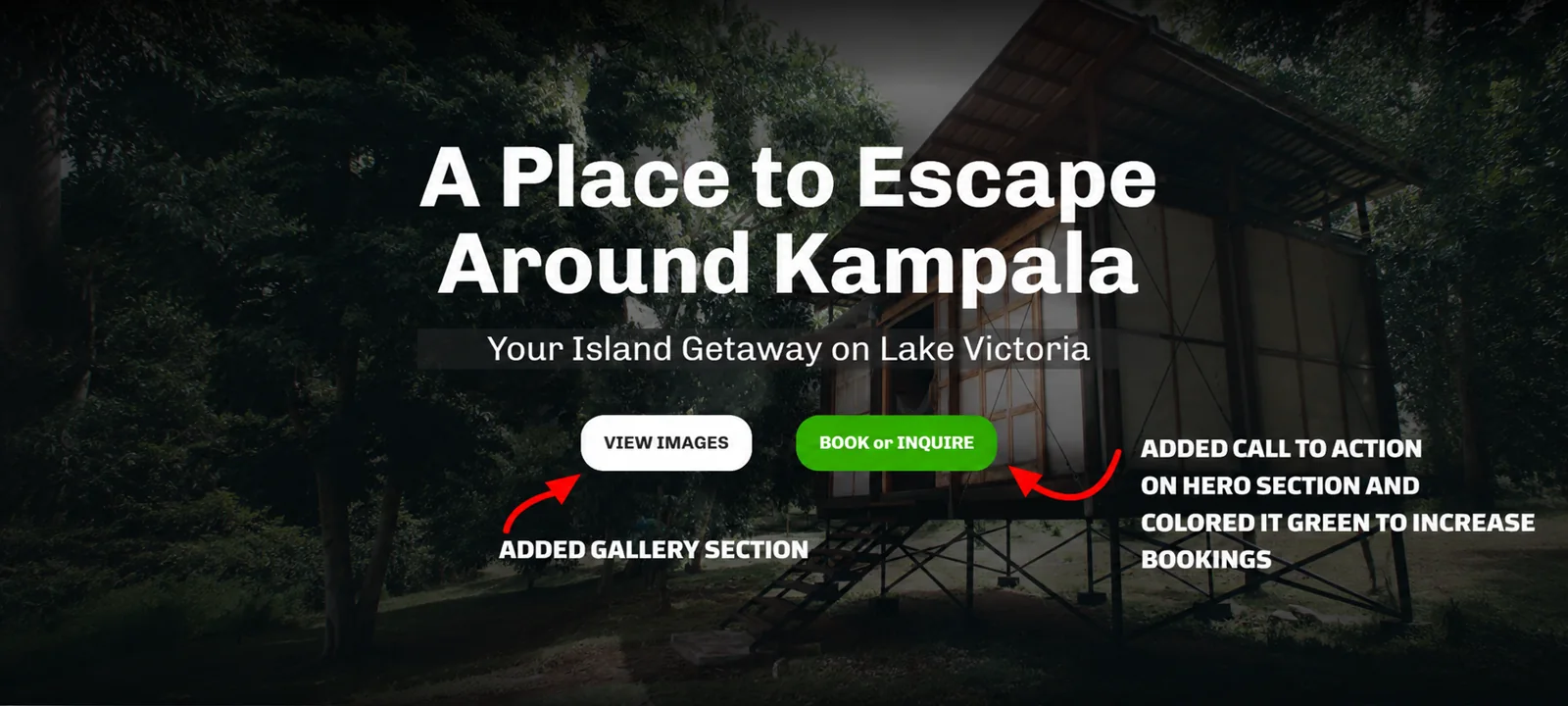
The rebuilt hero. Booking is the primary action, the gallery is the secondary one.
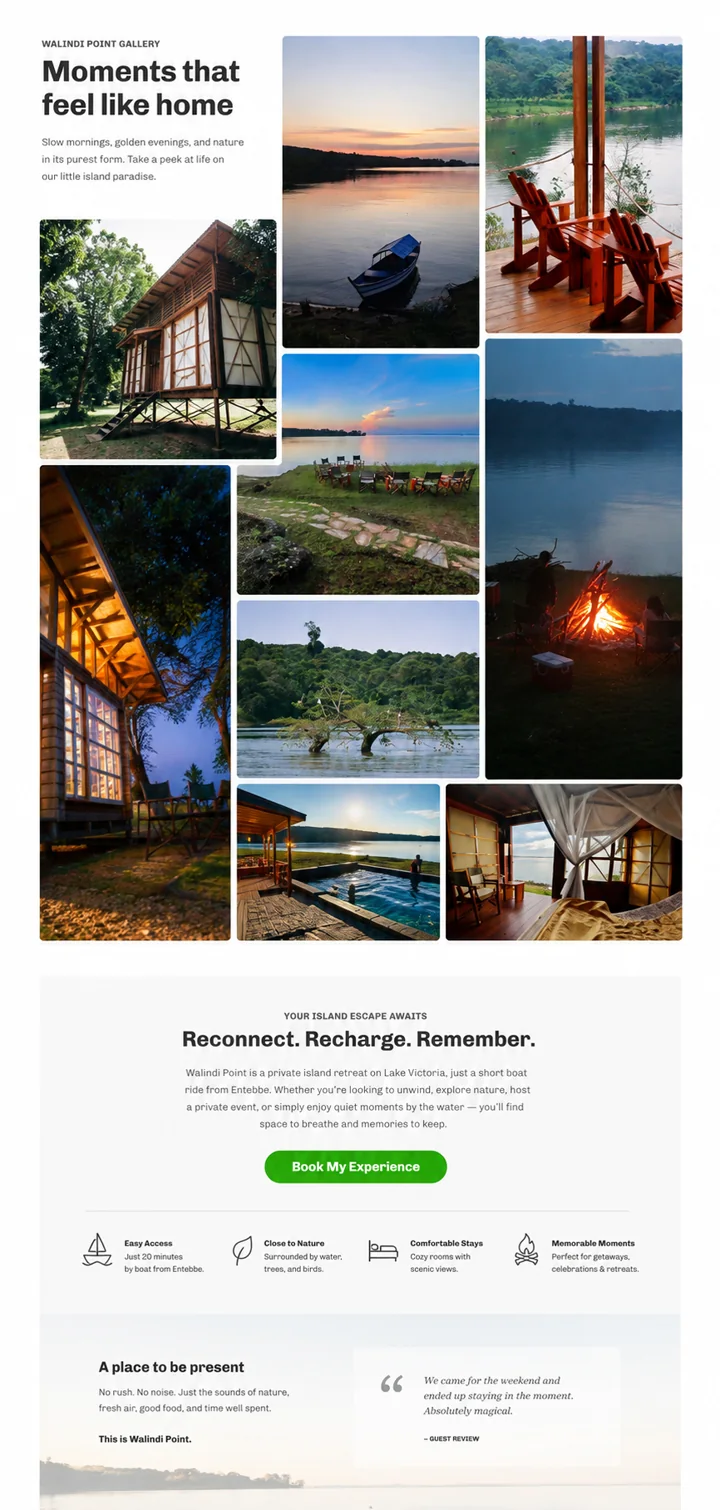
The gallery page, the resort’s first.
02
We expanded the Google Business Profile around how expats actually search
Expats rarely search “island resort”. They search for staycations, places to stay, places to work remotely, and they search by activity.
So we built the profile to match. We expanded the category set well beyond the obvious, adding categories like camping site alongside the core listing. We loaded in every service the property genuinely offered, from bird watching and chimp tracking to wildlife sightseeing, hiking and nature walks, and paired those services with location terms so the profile could surface for activity-plus-place searches around Kampala.
03
We advertised the experience, not the room
With the site converting, we opened the taps. Meta across Facebook and Instagram, plus Google targeting the search terms expats actually use.
On Meta we ran carousel post ads built entirely around experiences: the swimming pool, the campfire, the glamping tents, the shoreline, hiking with family.
The strategy underneath was quieter than the creative. Every carousel and every line of copy was group-centric, never saying “bring your friends”, just showing scenes that were obviously better with people in them. Groups and group tours carry a far higher average order value than solo bookings, so planting that idea without stating it was the whole point.
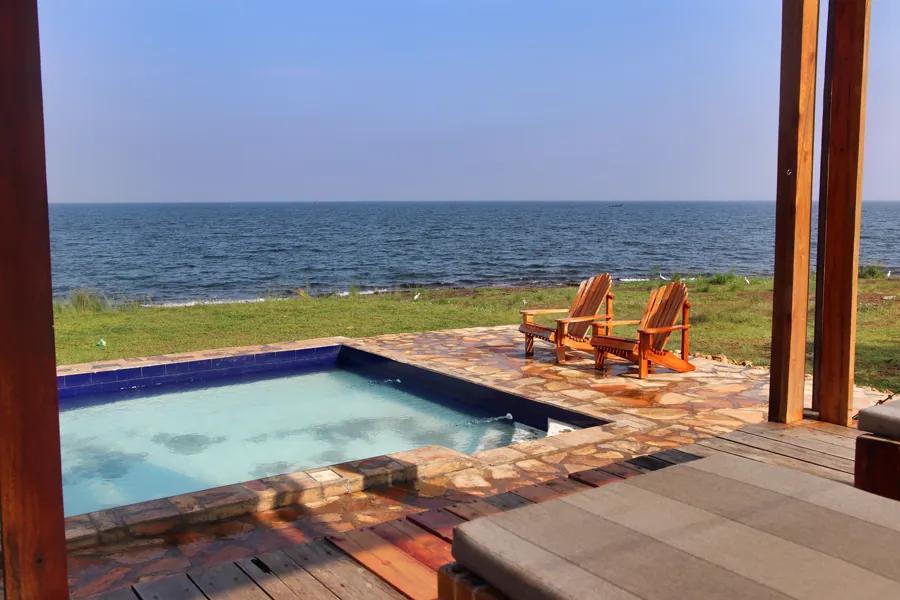
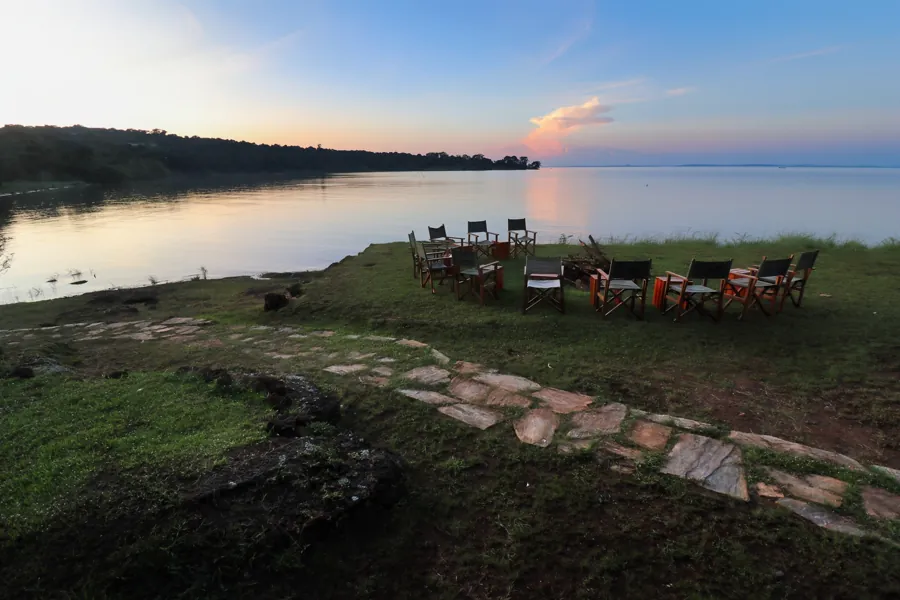
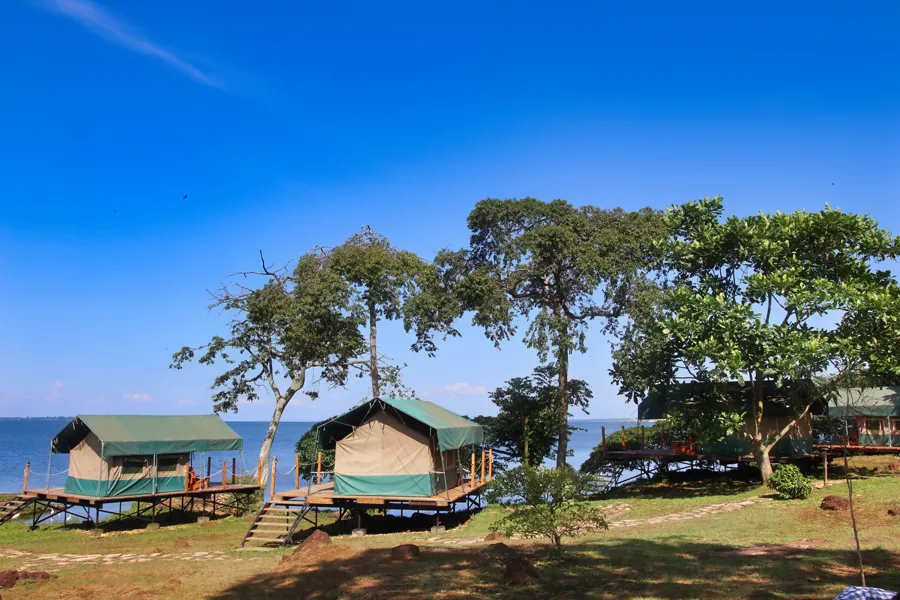
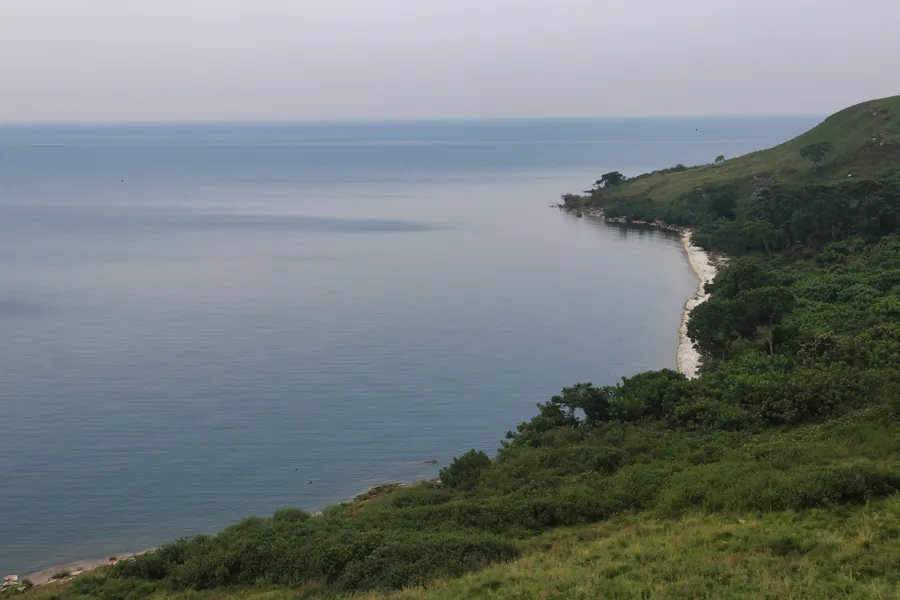
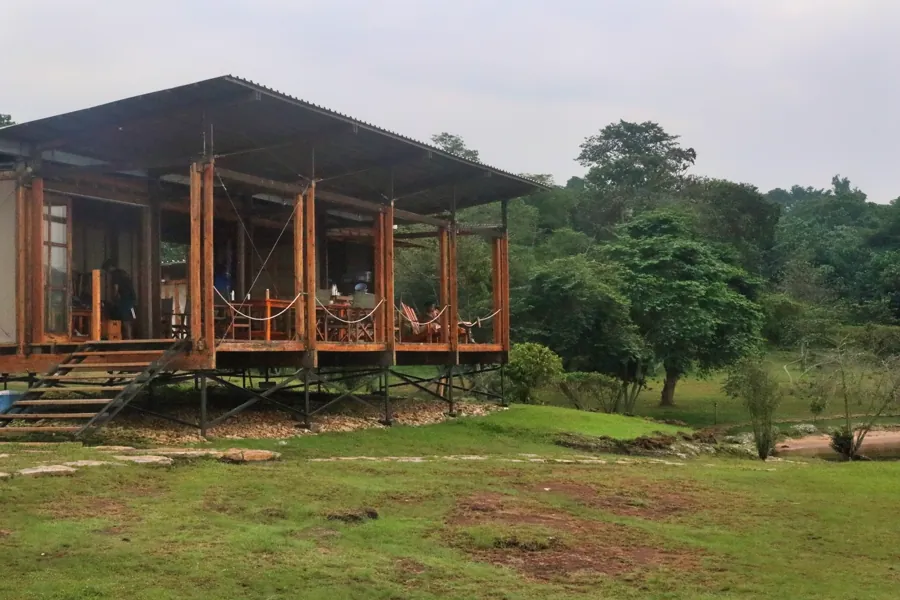
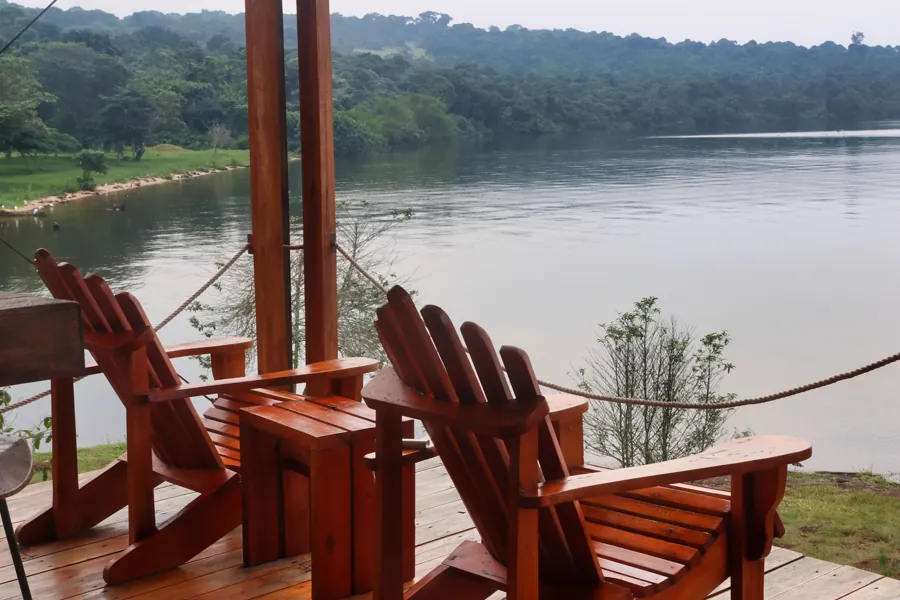
Experience-led frames from the Instagram carousels.
The carousel running in the Meta ad preview.
04
We concentrated spend on the channel that converted best
This is the decision that made the campaign.
Facebook lead-gen ads were delivering volume, but the bookings were coming from elsewhere. So we paused Facebook and moved the carousel budget onto Instagram, a visual, lifestyle-driven platform whose users are exactly the people who want what Walindi Point sells.
Then we did the same with the WhatsApp ads. High volume, lower intent. Routing every booking through the website added a step, and that step earned its place: the people willing to complete a website booking were noticeably more serious.
Finally we leaned into the signals expats respond to: TripAdvisor, Booking.com, the visual proof points that reassure someone spending real money on a stay.
The results
What changed
Direct bookings, after concentrating spend on the channel that converted best
Website conversion rate, comfortably above hospitality average
Enquiries a week through the site
Consecutive months of fully booked weekends, low season included
All of it achieved while posting organically only once or twice a week.
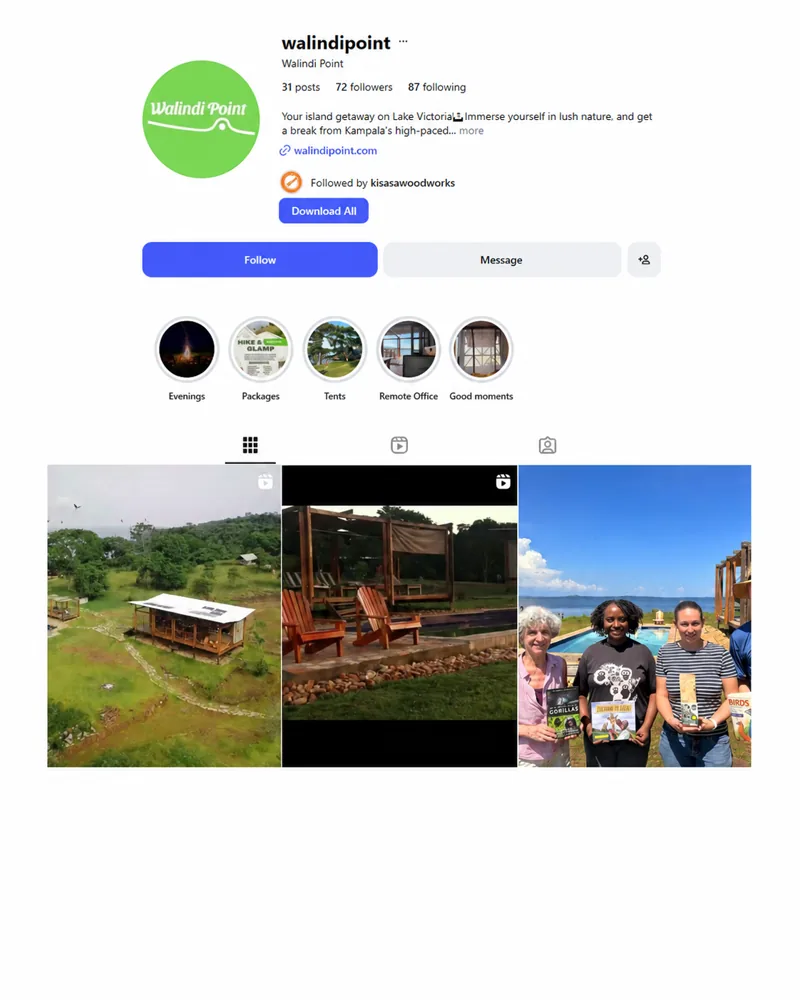
Instagram profile before.
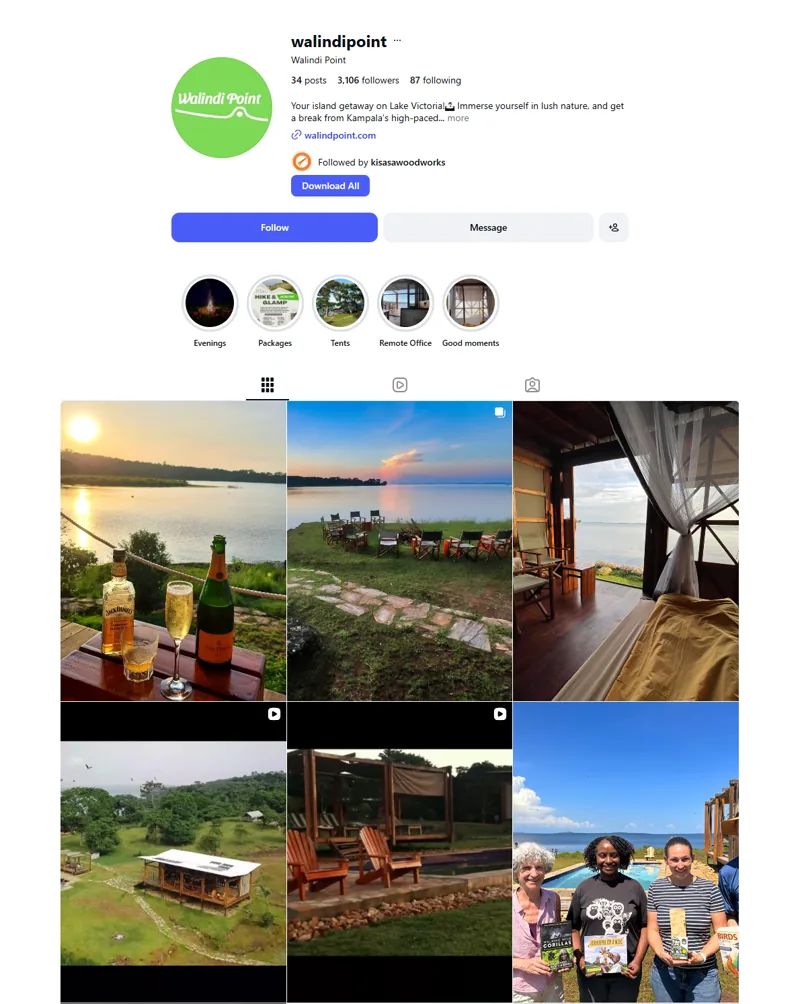
Instagram profile after.
Why the low season result matters most
Anyone can fill a resort in high season. Walindi Point held sold-out weekends for four months straight through Uganda’s local low tourism season, and did it without a heavy organic posting schedule. That is the difference between a campaign that rides demand and a system that creates it.
If your own quiet season looks like that, it is worth asking whether the demand is genuinely missing, or whether the path to it was never built.
Frequently asked
Questions people ask about this campaign
How long did it take to see results from the Walindi Point campaign?
Conversion rate optimisation and the Google Business Profile rebuild came first, so early gains showed as soon as paid traffic began landing on a site that could actually convert. The sold-out weekend run held for four consecutive months.
Why did Spark Ink pause Facebook ads instead of optimising them?
Facebook lead-gen ads were producing volume, but the bookings were coming from Instagram. Rather than spend budget optimising toward the weaker audience, we consolidated onto Instagram, where the platform’s visual, lifestyle-driven user base matched the resort’s ideal guest.
Does routing bookings through the website instead of WhatsApp hurt conversions?
It reduced total enquiry volume and increased booking quality. Completing a booking on the site filtered out lower-intent traffic, which raised the conversion rate and the average value of each booking.
Services used
Websites & Design
Creative Strategy
Advertising
Operations & Automation
Your website should be your best salesperson.
Most are not yet. We build that first, then send traffic to it.