Work / Luvons
A creative library big enough to outrun ad fatigue
D2C women’s luxury footwear · United States · Meta advertising
lower CPM
Click-through rate up 30%
Frequency held at 2 to 3 impressions a week
Measured on a 7-day rolling window
In short
How did Spark Ink lower CPM for Luvons?
Luvons, a US direct-to-consumer women’s luxury slipper brand, was running Meta ads and needed more creative to scale them. Spark Ink built a customer empathy map, produced creative across multiple angles and formats, from testimonial and user-generated content to unboxing, POV, green screen and feature-based statics, then adapted every asset for each Meta placement. The expanded library held top-of-funnel frequency at 2 to 3 impressions per week, reduced CPM by 33%, and increased click-through rate by 30% on a 7-day rolling window.
The challenge
A strong product ready to scale, and an ad account that needed more fuel
Luvons designs women’s luxury slippers, slip-on house shoes styled well enough to wear when company arrives or to run a quick errand in. A lifestyle product with a genuine reason to exist.
The limit was creative volume. Any account running continuously needs more assets than it can usually produce: the same few creatives cycle in front of the same audience, frequency climbs, performance decays, and CPMs rise. It is the most common ceiling in paid social and it has nothing to do with the quality of the product.
You do not optimise your way past that ceiling. You produce your way past it.
How we built the creative engine
01
Research before production
We did not start in the editing timeline. We started with the customer.
We mapped needs, wants, desires and fears, and built a customer profile and empathy map of the Luvons buyer, drawing on what the client knew about their audience and how that audience actually lives. Because this is a lifestyle brand, the copy had to speak to aspiration rather than specification. So the empathy map became the copy brief, and every angle we produced afterward traced back to a real motivation on it.
Needs
What the product actually has to solve.
Wants
What the buyer says she is looking for.
Desires
How she wants to feel wearing it.
Fears
What makes her hesitate at the checkout.
The four quadrants the copy brief was built from. What went inside them came from the client’s own knowledge of their buyer.
02
Produce across formats and angles, not just volume
More creative is not the goal. More distinct creative is.
Each combination hits a different buyer at a different stage of belief. The person who needs social proof and the person who needs to see the product on a real foot at 7am are not the same person, and one asset cannot serve both.
Formats produced
Testimonials from past customers
Unboxing video ads with fast cuts
POV unboxing and morning-routine videos
Green screen ads with customers explaining their experience
Static ads
Angles produced
Testimonial
User-generated content
Feature pop-out
Feature-based statics
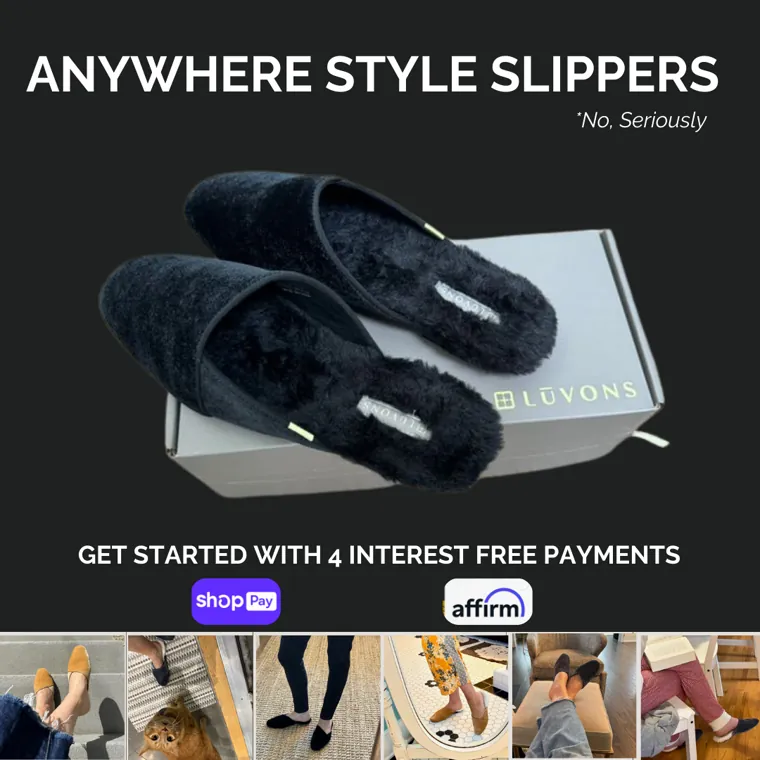
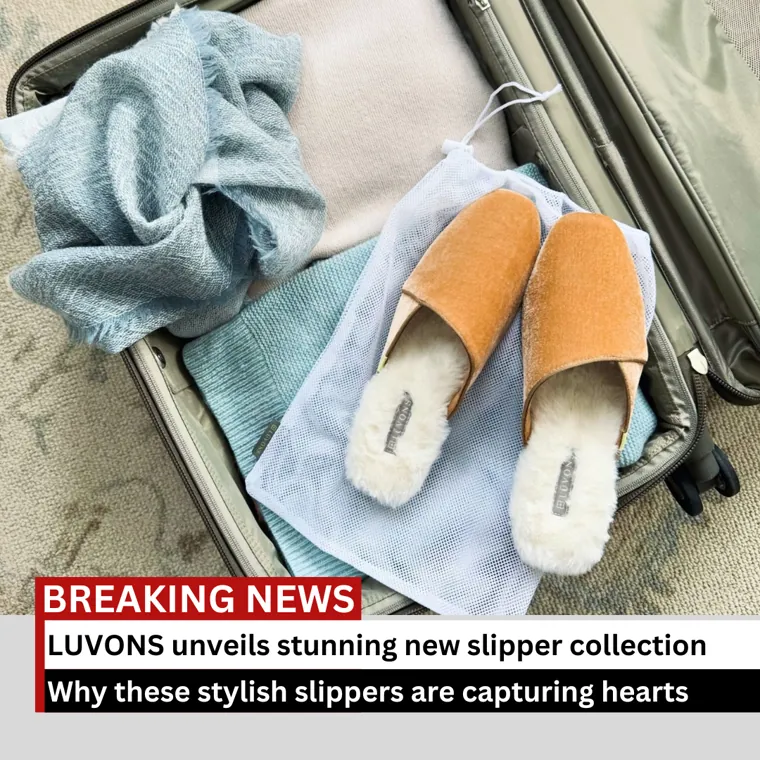
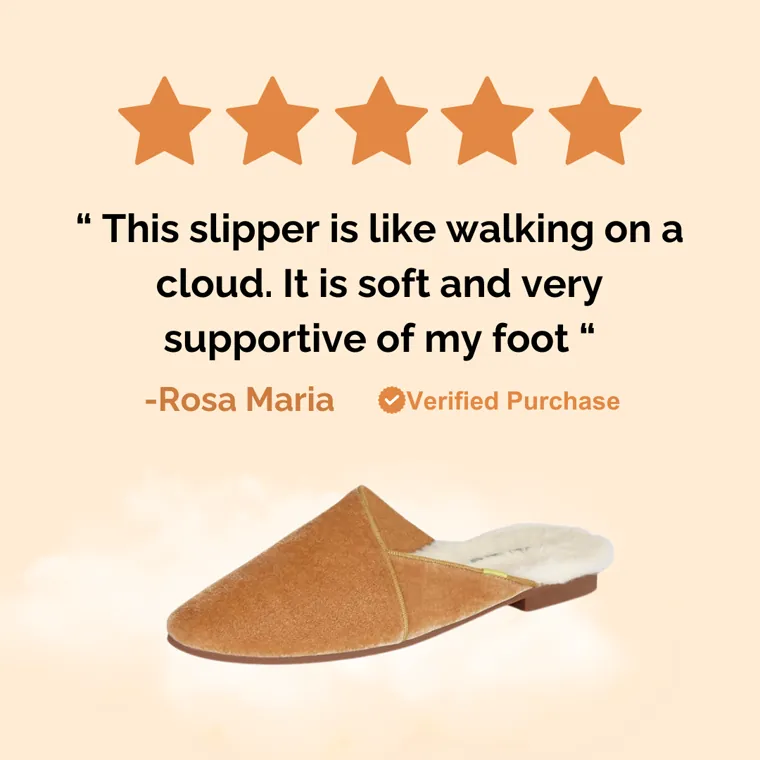
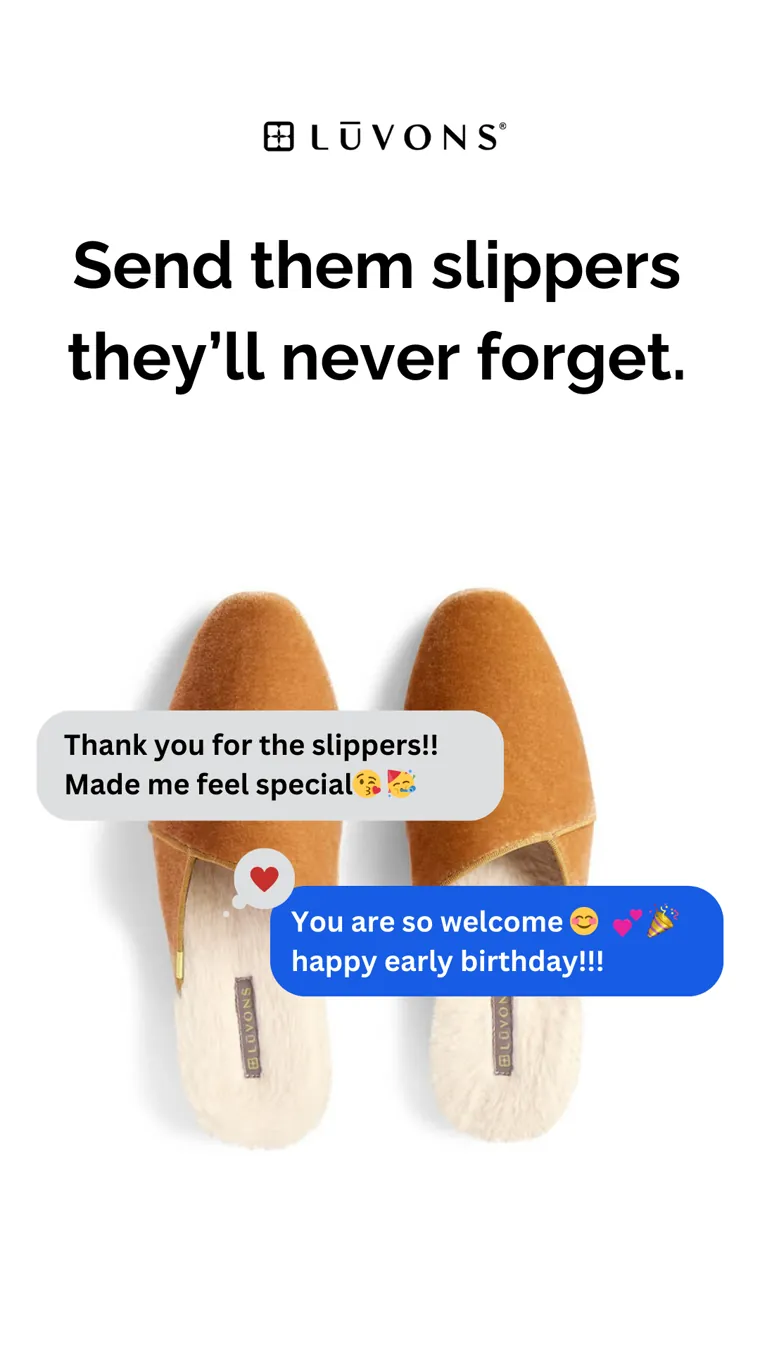
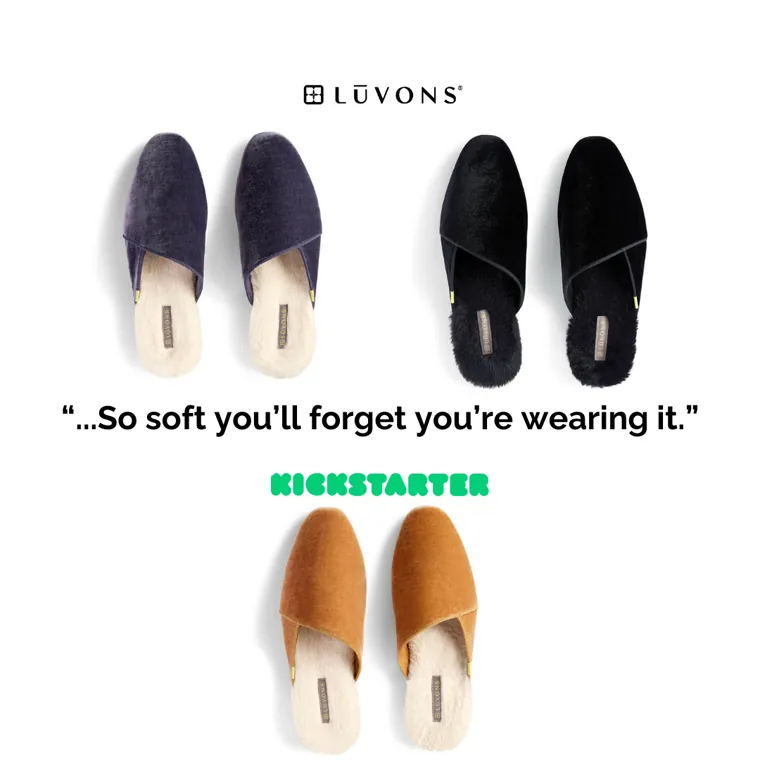
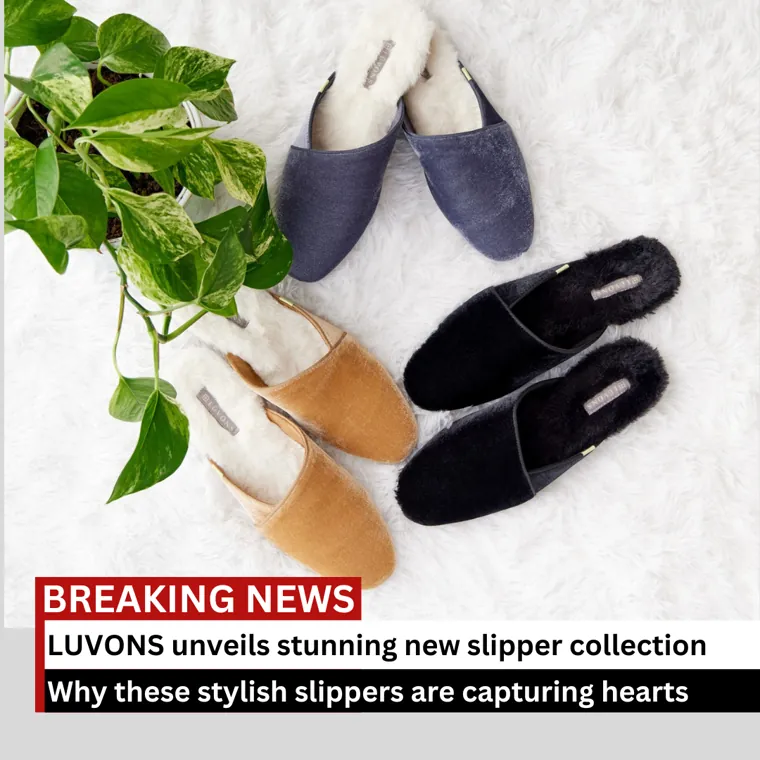
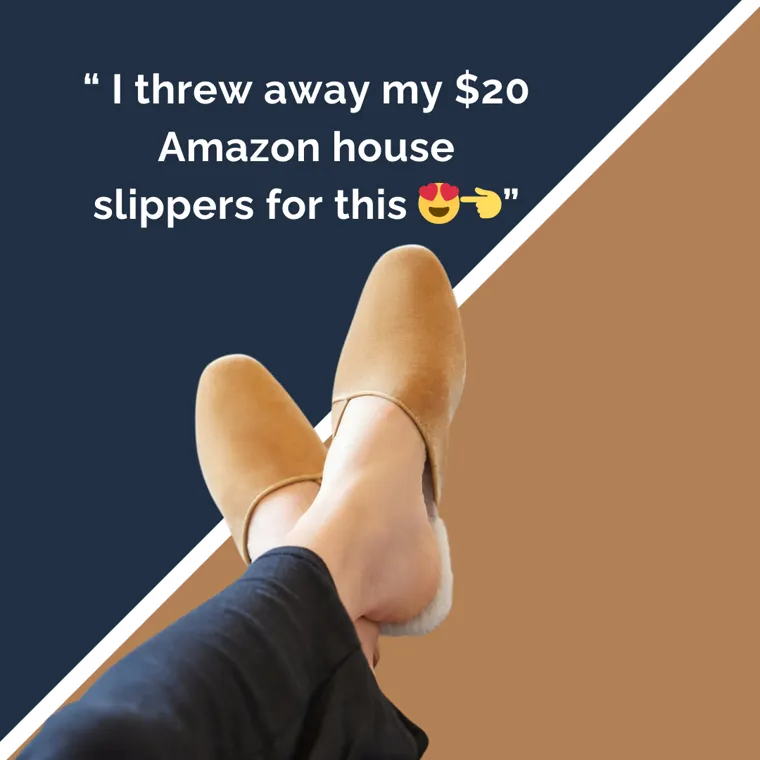


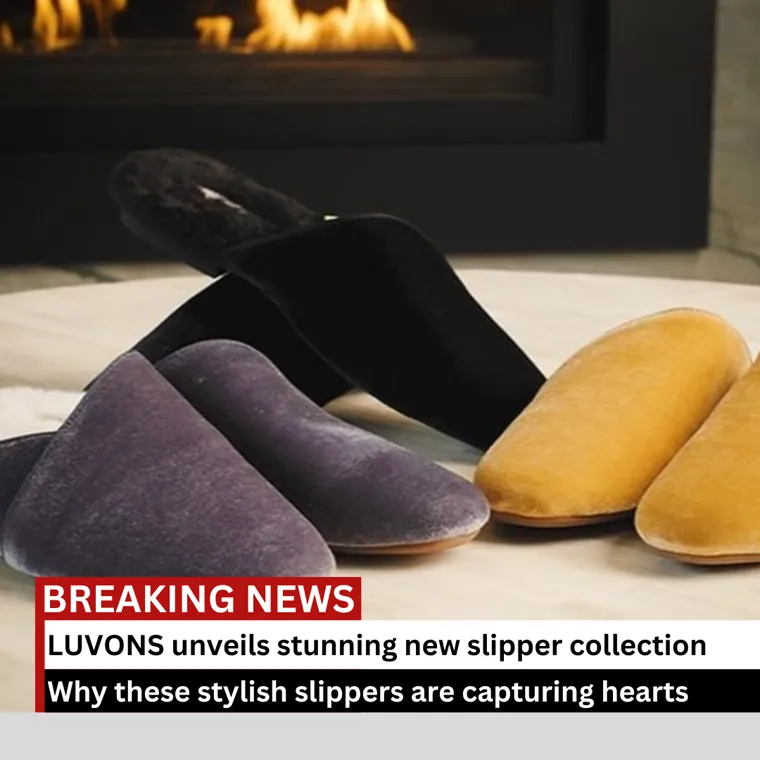
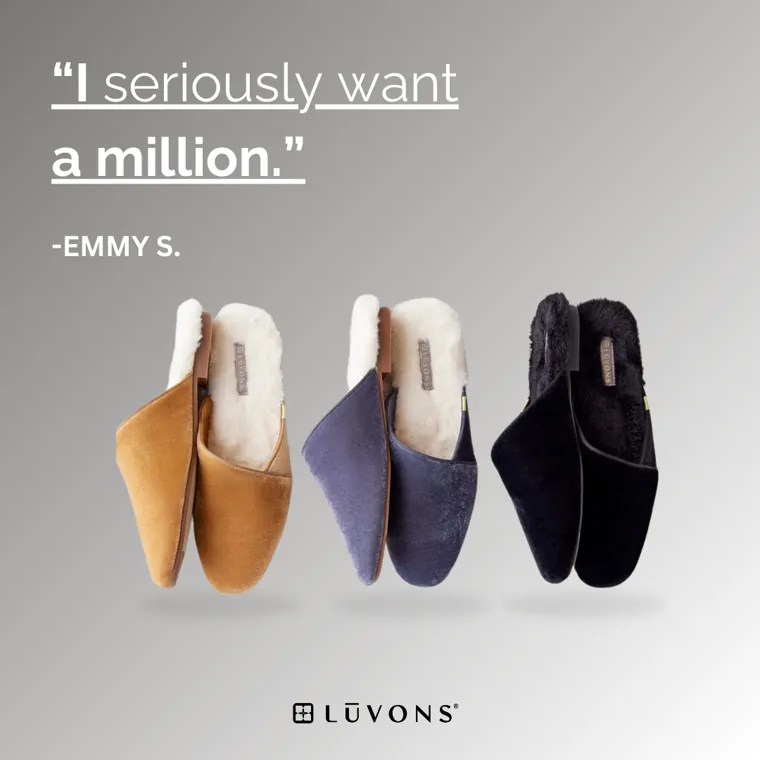
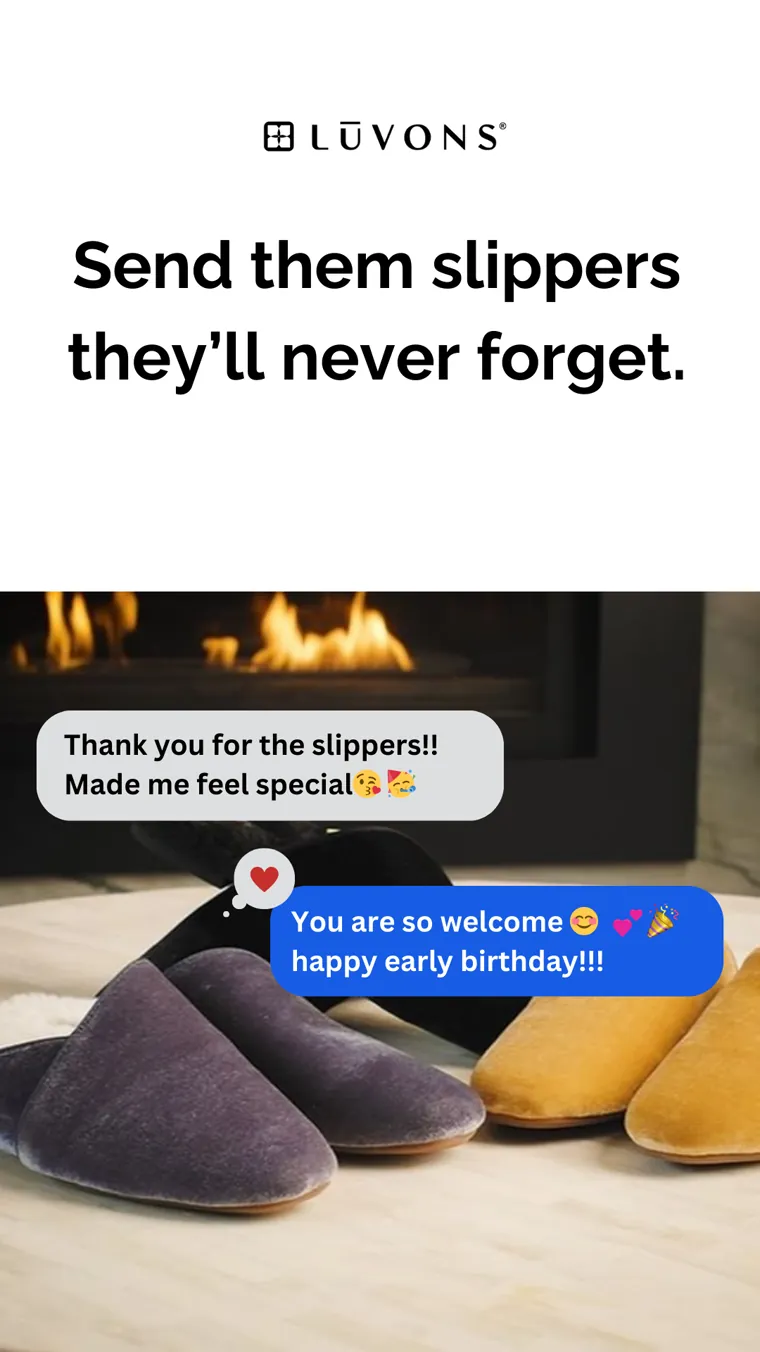

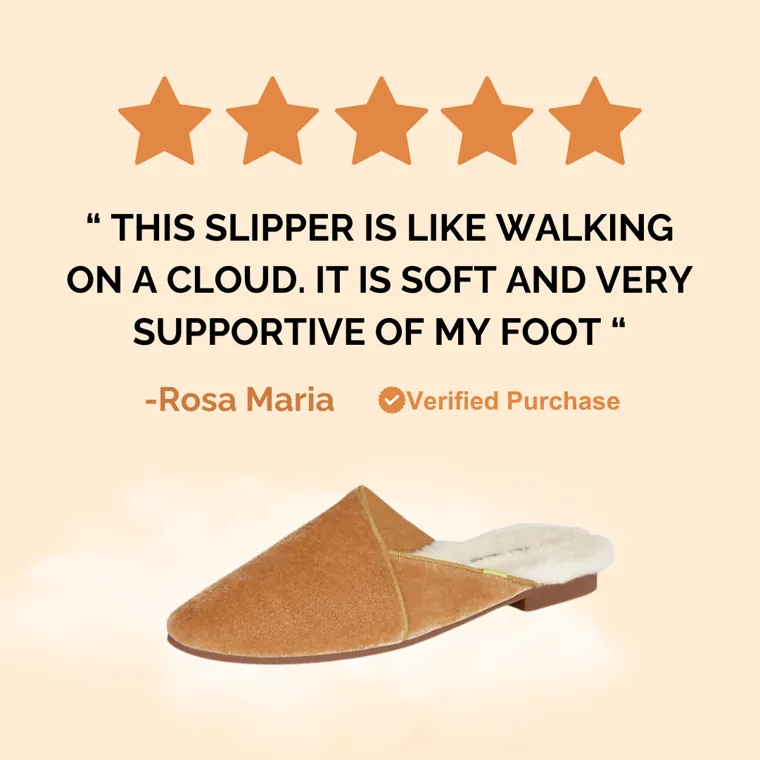
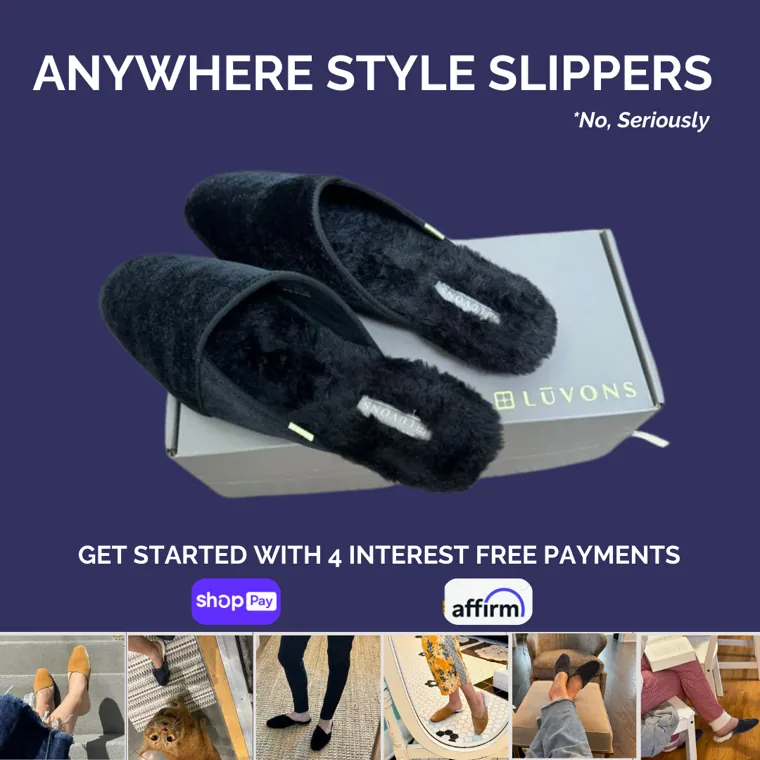
Fifteen statics from the library. Testimonial, user-generated content, news-flash, gifting, credibility and feature angles, each shown uncropped and in the placement shape it ran in.
03
Adapt every asset to every placement
Then we took the whole library and rebuilt it for the entire Meta real estate: Stories, the main Facebook feed, Instagram video, Facebook video, sponsored display, Messenger. Everywhere an impression could be bought, there was an asset shaped correctly for it.
This is the step most brands skip, and it is where the compounding happens. Adapting an existing asset to a new placement multiplies the library without multiplying the production cost, and it stops the account from serving a cropped, mismatched asset into a placement it was never cut for.
Square, cut for the feed.
Vertical, cut for Stories and Reels.
The problem, agitate, solve cut.
One concept, two placements, plus a longer-form cut. Same ideas, shaped correctly for each surface rather than cropped into it.
The results
What changed
Lower CPM
Click-through rate, on a 7-day rolling window
Impressions a week on top of funnel, keeping fatigue suppressed
A creative library deep enough to rotate continuously instead of running assets to exhaustion.
Why creative volume lowers your CPM
Meta prices attention. When the same audience sees the same asset repeatedly, engagement falls, relevance signals weaken, and the auction charges you more for the same impression. A deep, varied creative library keeps frequency low and engagement high, so the platform serves you more cheaply. Cutting CPM by a third here was not a bidding tactic. It was a production decision.
If your own costs have been climbing while nothing about the targeting changed, the account is usually asking for more creative rather than a better bid strategy.
Frequently asked
Questions people ask about creative volume
What is ad fatigue and how do you reduce it?
Ad fatigue occurs when an audience sees the same creative too often, causing engagement and click-through rate to fall while costs rise. It is reduced by producing enough distinct creative angles and formats to rotate assets before frequency climbs. Here it was held at 2 to 3 impressions per week on top of funnel.
How much creative does a D2C brand need for Meta ads?
Enough to cover multiple angles across multiple placements and rotate continuously. Volume alone does not help; the assets must differ in angle and format so they reach different buyers at different stages.
Does adapting creative for each Meta placement matter?
Yes. Correctly formatted assets per placement prevent awkward crops, unlock inventory the account would otherwise underuse, and expand the effective library size without proportional production cost.
Services used
Creative Strategy
Video Content
Advertising
Your ad account is not underperforming. It is underfed.
We build creative libraries that keep frequency low and click-through high.